Unboxing without noise
The first ten seconds of owning a new object do more work than almost anyone in product design admits. They set the tone for the relationship. They tell you, be...
The first ten seconds of owning a new object do more work than almost anyone in product design admits. They set the tone for the relationship. They tell you, before you have even used the thing, whether the company that made it cared. They are also, traditionally, where most of the noise lives — the plastic windows, the foil seals, the accordion of paperwork that flutters out before the object itself appears.
We obsessed over those ten seconds. Not because we wanted to make a viral unboxing video — we did not — but because we felt, strongly, that the calm we had designed into the object would be undermined if the box around it shouted.
What we removed
The first thing to go was the plastic. There is no plastic in our packaging — no bag, no window, no clamshell, no twist-tie. This took eight months of work with our packaging supplier and added a small amount to the unit cost. It was, without question, worth it. The first sense engaged when you open the box is touch, and we wanted that touch to be paper and fabric, not film.
The second thing to go was the inserts. Most product packaging includes three to five small inserts: a quick-start guide, a warranty card, a registration sheet, a thank-you note from the founder, a sticker. We replaced all of it with one folded card, printed on uncoated stock, with the essentials on one side and a single line of welcome on the other. Everything else is on a webpage, available when you want it, absent when you do not.
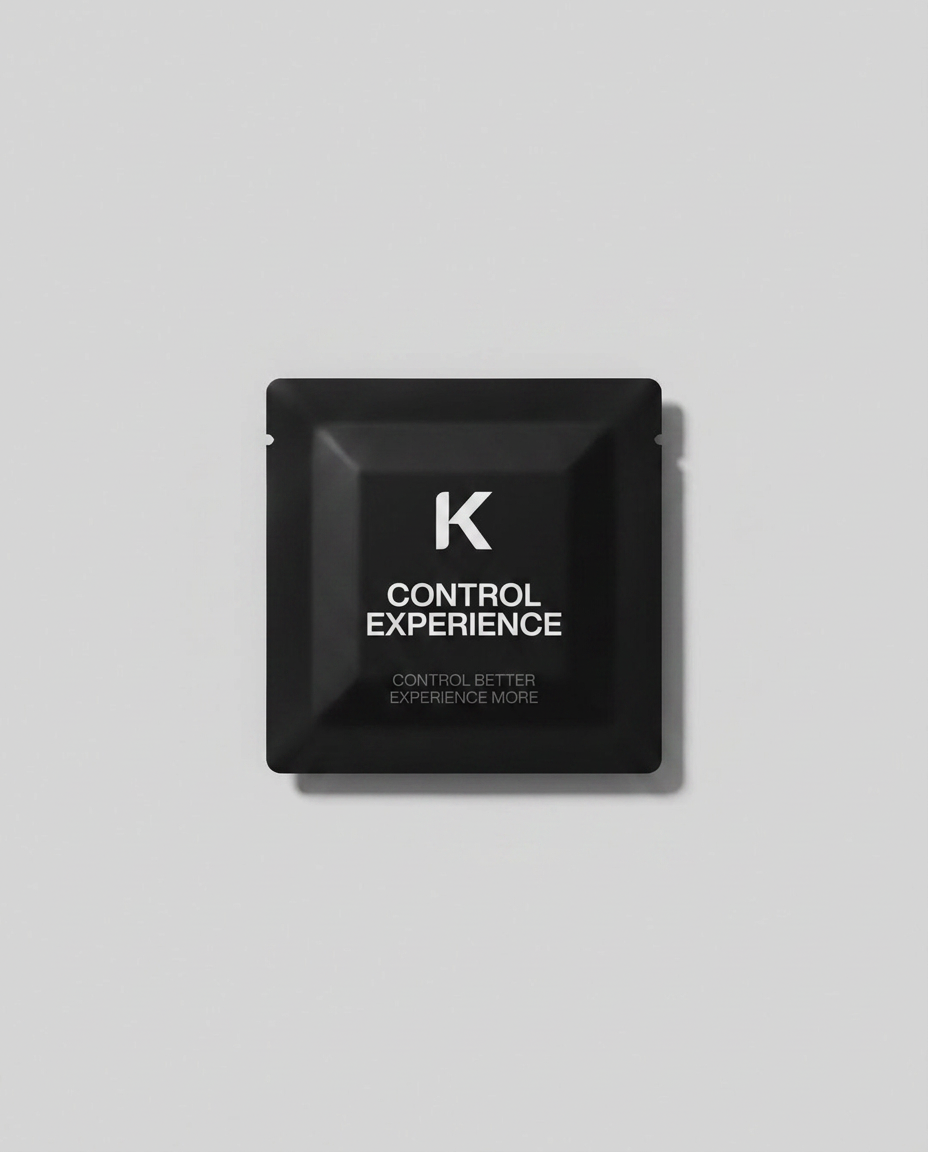
The third thing to go was the protective wrapping. The patch is wrapped in a single sheet of unbleached tissue, folded once, with no tape. The pouch sits beside it, also unwrapped. There is nothing to peel, nothing to discard, nothing to feel guilty about throwing away.
The first sense engaged when you open a box is touch. We wanted that touch to be paper and fabric, not film.
What we kept
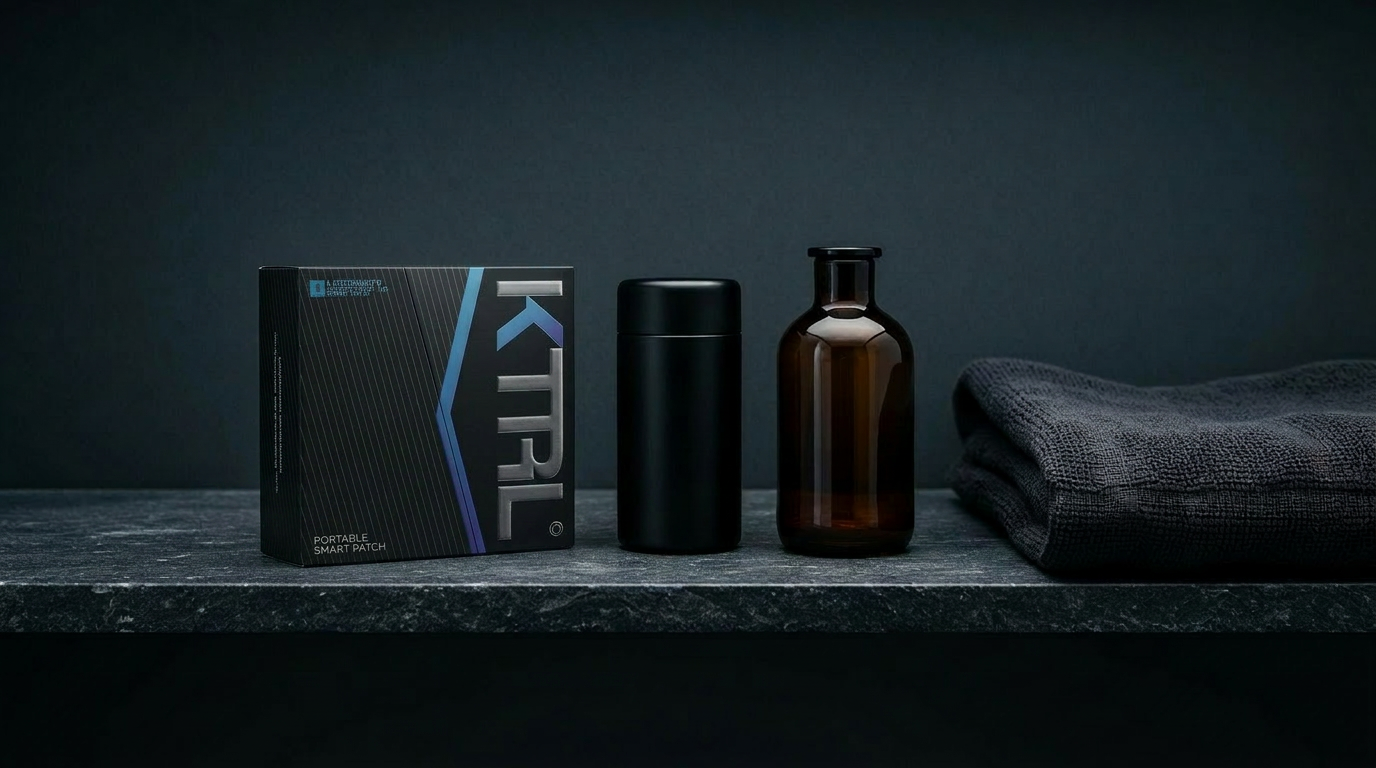
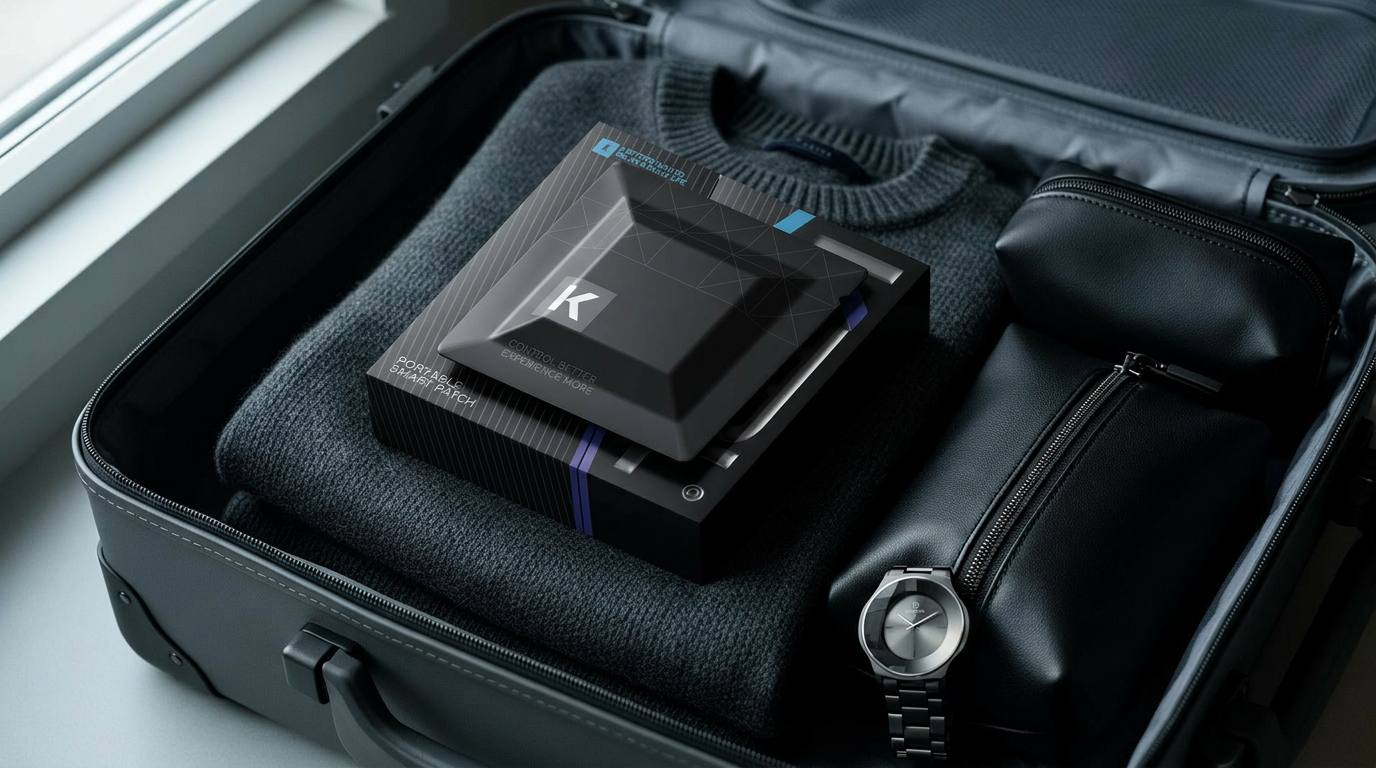
We kept the box itself, in heavy uncoated cardboard, because the box is not waste. It is a small storage container that can live in a drawer for years, holding the pouch when you travel without it, or the spare patch when you have not yet decided where in the house it belongs. The box is part of the product, not the wrapper of it.
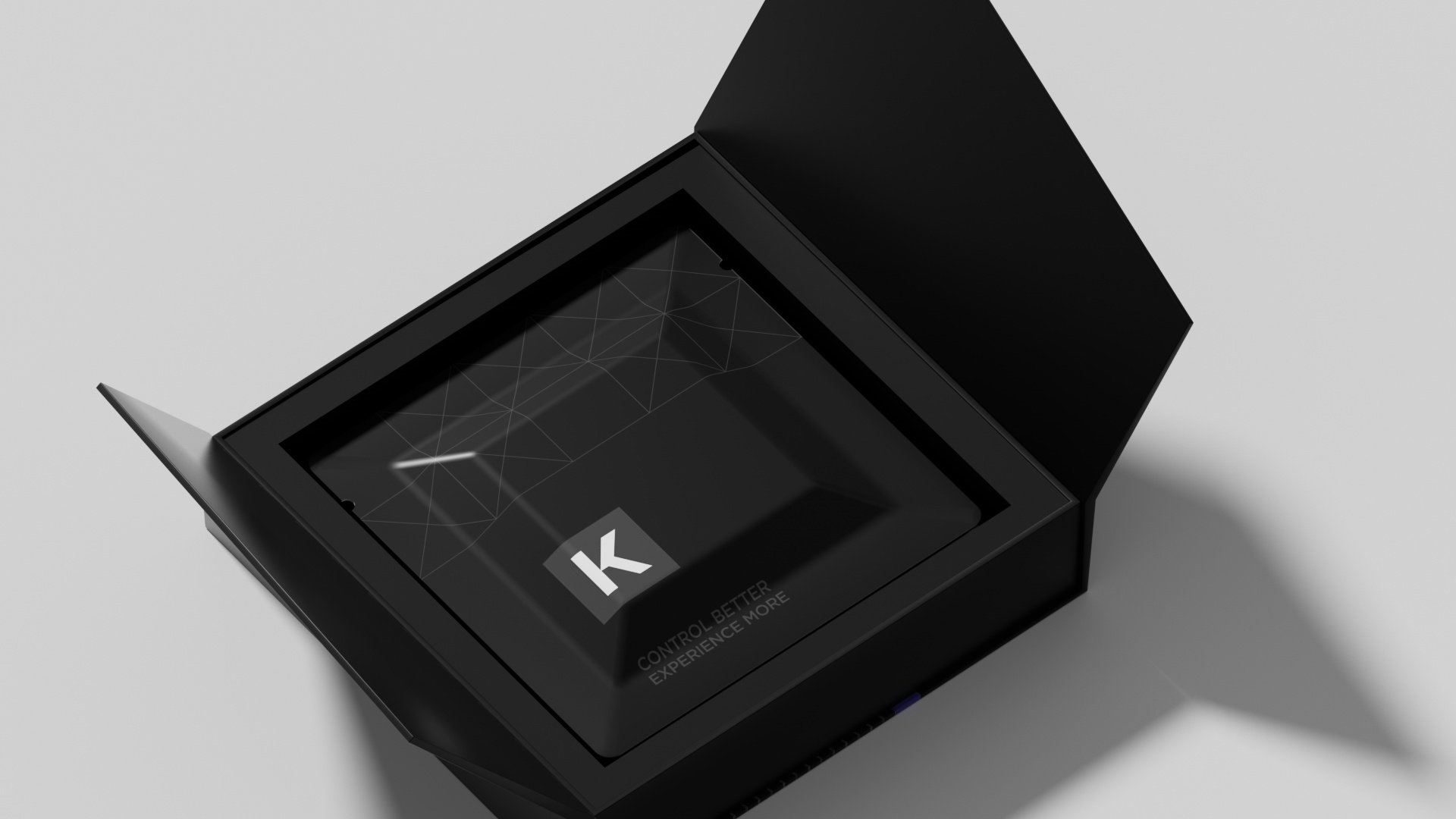
We kept the magnet inside the lid, which holds the lid closed without a flap or a tuck. The closure is silent. Opening the box for the second time, a year later, feels exactly like opening it for the first time, because nothing has been torn, nothing has been bent, nothing has been used up.
What surprised us
The biggest surprise was how much of the unboxing experience comes from sound, not from sight. The sound of the lid lifting against the magnet. The sound of the tissue unfolding. The sound — or rather, the absence of sound — when the patch is lifted out and set on the table. We spent two weeks recording prototypes on a high-quality microphone in a quiet room, listening for anything that scraped, popped, or clicked when it should not have. Several materials were rejected on the basis of sound alone.
The second surprise was how much the experience changed when we removed the founder's letter. We had assumed that a personal note would feel warm. In testing, it consistently felt the opposite: it felt like marketing, even when it was not. Removing it was the moment the unboxing started to feel like a gift rather than a transaction.
Ten seconds, well spent
In the end, the unboxing takes about ten seconds. Lift the lid. Lift the tissue. Lift the patch. That is the entire experience. There is no instruction to read, no app to download, no setup to perform. The object is in your hand, ready, before you have had time to wonder what to do with it. Quiet, from the very first second.
Comments (0)
Please login to comment.
No comments yet.