Letters from early users
Six months after we shipped the first patches, the messages started to arrive. Not the messages we expected — bug reports, feature requests, complaints about co...
Six months after we shipped the first patches, the messages started to arrive. Not the messages we expected — bug reports, feature requests, complaints about color matching — but a different kind of message, longer and stranger, that we are still learning how to read. People wrote to us about feelings.
This entry is a small attempt to share what we have learned, with the permission of the writers, and lightly edited for length. We have removed names. We have kept the original phrasing wherever possible, because the phrasing is the point.
"It is the quietest thing on the table."
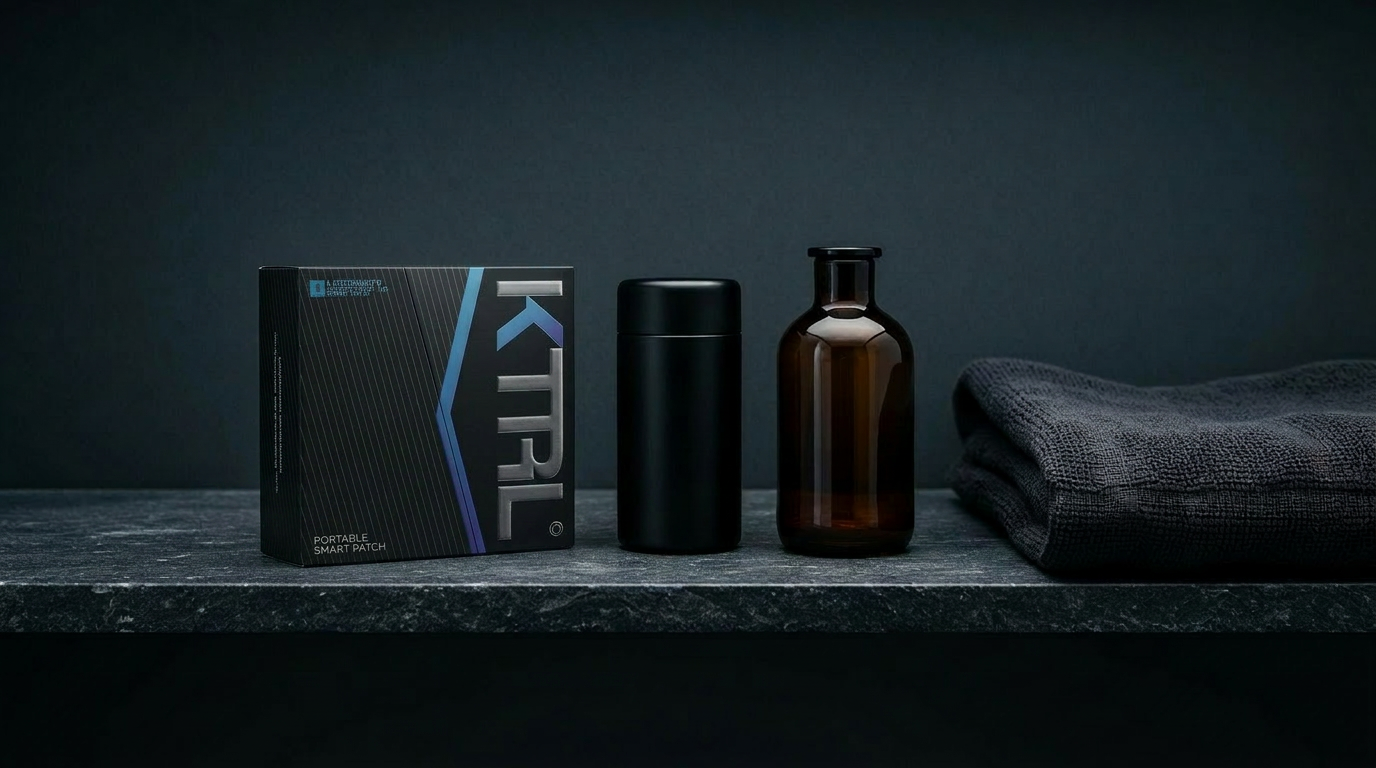
This was the most common note, in some form, across hundreds of messages. People did not write to tell us that the patch worked. They wrote to tell us that, in a room full of objects competing for their attention, this one had stopped competing. "It is the quietest thing on the table," wrote one user from Lisbon. "Even my coffee cup is louder."
We did not, originally, design the patch to be the quietest thing on a table. We designed it to disappear. But the framing of quiet — as a kind of relative measure, a comparison against everything else in the room — turned out to be more accurate than ours. The patch is not silent. It is simply quieter than its neighbors, and that is enough.
"I forgot it was there, and then I missed it when I traveled."
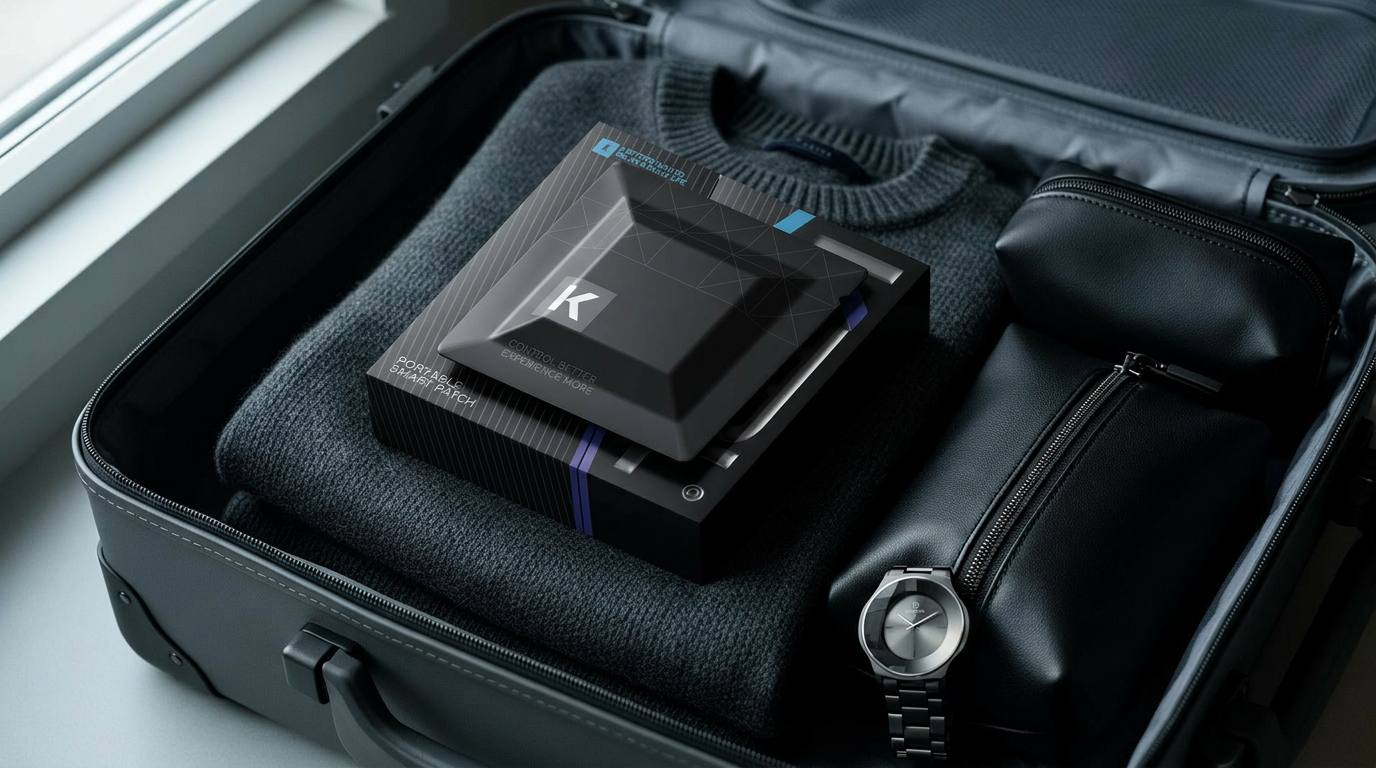
The second most common note was a kind of paradox: people forgot the patch existed in their daily life, and then noticed its absence sharply when they went somewhere without it. A user in Tokyo wrote that she had taken the patch to a hotel for the first time, and that the hotel room had felt incomplete until she set it on the nightstand.
This is, we think, the highest compliment a designed object can receive. To be missed in absence is to have become part of the architecture of a place. The patch was not, in her hotel room, performing a function. It was simply present, and presence, in this case, was the function.
To be missed in absence is to have become part of the architecture of a place. Presence, it turns out, can be the function.
"My partner and I disagree about where it should live."
A surprising number of messages were small domestic disputes. The patch belongs on the nightstand; no, it belongs on the bookshelf; no, it belongs on the kitchen counter. We have learned not to take sides. We have, however, started recommending that couples buy two. Most of the disputes resolve themselves once the object stops being scarce.
"It made me clean my desk."
This was the most unexpected note, and we received it more than a dozen times in the first six months. The act of placing the patch on a desk, or a nightstand, or a bathroom counter, made people want to clear the surrounding surface. The patch demanded — gently, without saying anything — that the area around it be commensurate. People described removing piles of paper, throwing away dead pens, repotting a plant that had been struggling for months.
We did not design the patch to be a productivity tool. But it has, accidentally, become a small, mute landlord — a tenant whose presence raises the standards of the room. We are still thinking about what this means.
What we are not changing
Almost none of these messages have led to changes in the product. This is, we want to be clear, a deliberate choice. The patch is what it is. Adding features in response to feelings would, we suspect, change the feelings. The user in Lisbon does not need a quieter patch. The user in Tokyo does not need a travel mode. The couple does not need a feature for couples. They need the object, exactly as it is, to keep doing the small invisible work it is already doing.
What we are doing instead is reading. Carefully, slowly, every message that arrives. Six months in, the messages are no longer about features. They are about feeling. We will keep reading for as long as the messages keep coming.
Comments (0)
Please login to comment.
No comments yet.