Packing light, living lighter
On the morning we left for the first long trip, the suitcase weighed nineteen kilograms. By the time we returned, twelve weeks later, it weighed eleven. Nothing...
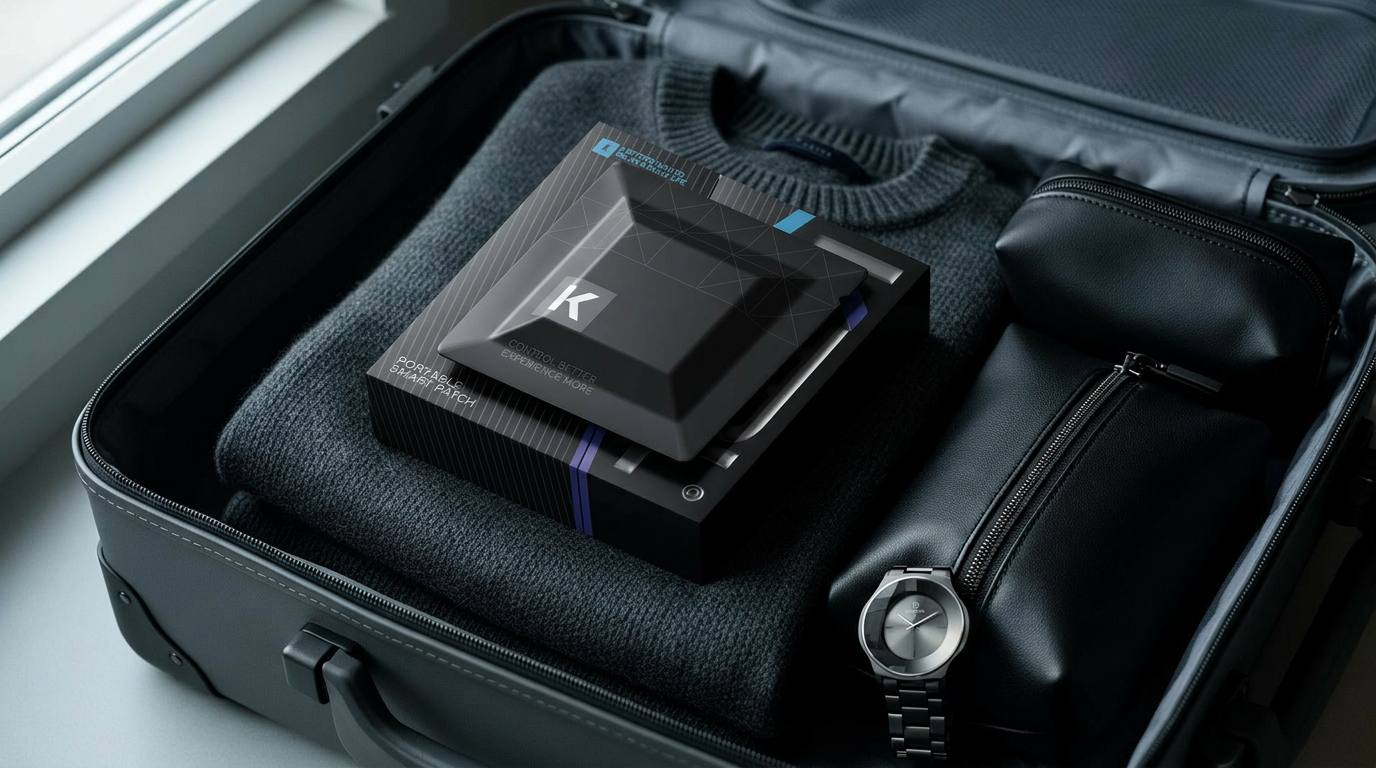
On the morning we left for the first long trip, the suitcase weighed nineteen kilograms. By the time we returned, twelve weeks later, it weighed eleven. Nothing had been lost. Nothing had been stolen. We had simply, over the course of a season on the road, learned which objects deserved to come home.
This is, we have come to believe, the central truth of packing light: it is not a discipline you bring to the trip. It is a discipline the trip teaches you, if you are willing to listen. The suitcase, opened in a different city every few days, becomes a kind of confessional. The objects you reach for are the ones that matter. The ones you do not touch in twelve weeks are the ones that never mattered, no matter what you told yourself when you packed them.
The first week is a lie
In the first week of any long trip, you will use almost everything you packed. This is not because you packed correctly. It is because the unfamiliarity of the environment makes you reach for the comfort of the familiar, and almost any object you brought from home qualifies. The third pair of shoes feels necessary because the streets are new. The second jacket feels necessary because the weather is unpredictable. The book you are not reading feels necessary because it is, at least, a book from your own shelf.
By the third week, the lie collapses. The third pair of shoes has not been worn. The second jacket is folded in the bottom of the suitcase. The book has been replaced by a paperback bought in a station bookshop. You begin to understand the difference between an object you brought and an object you actually use.
The four-object rule
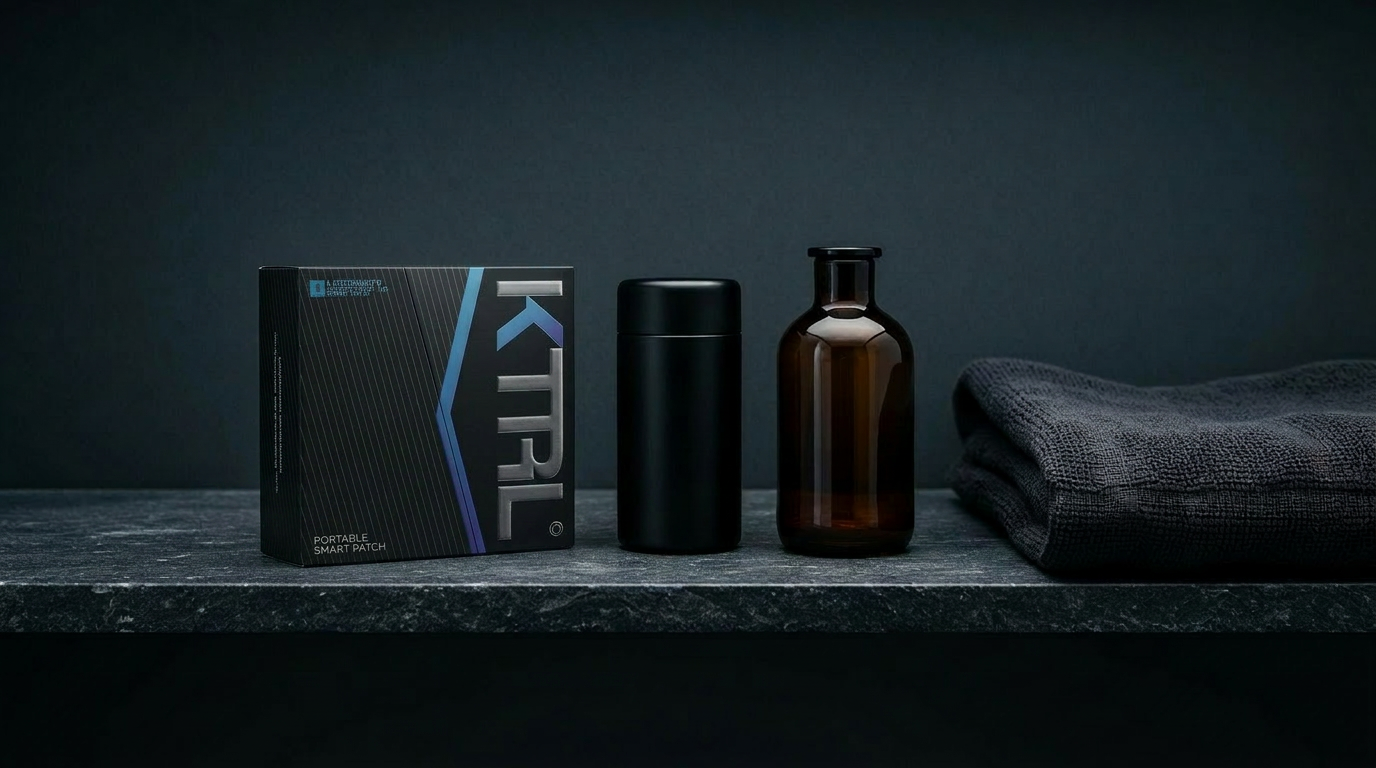
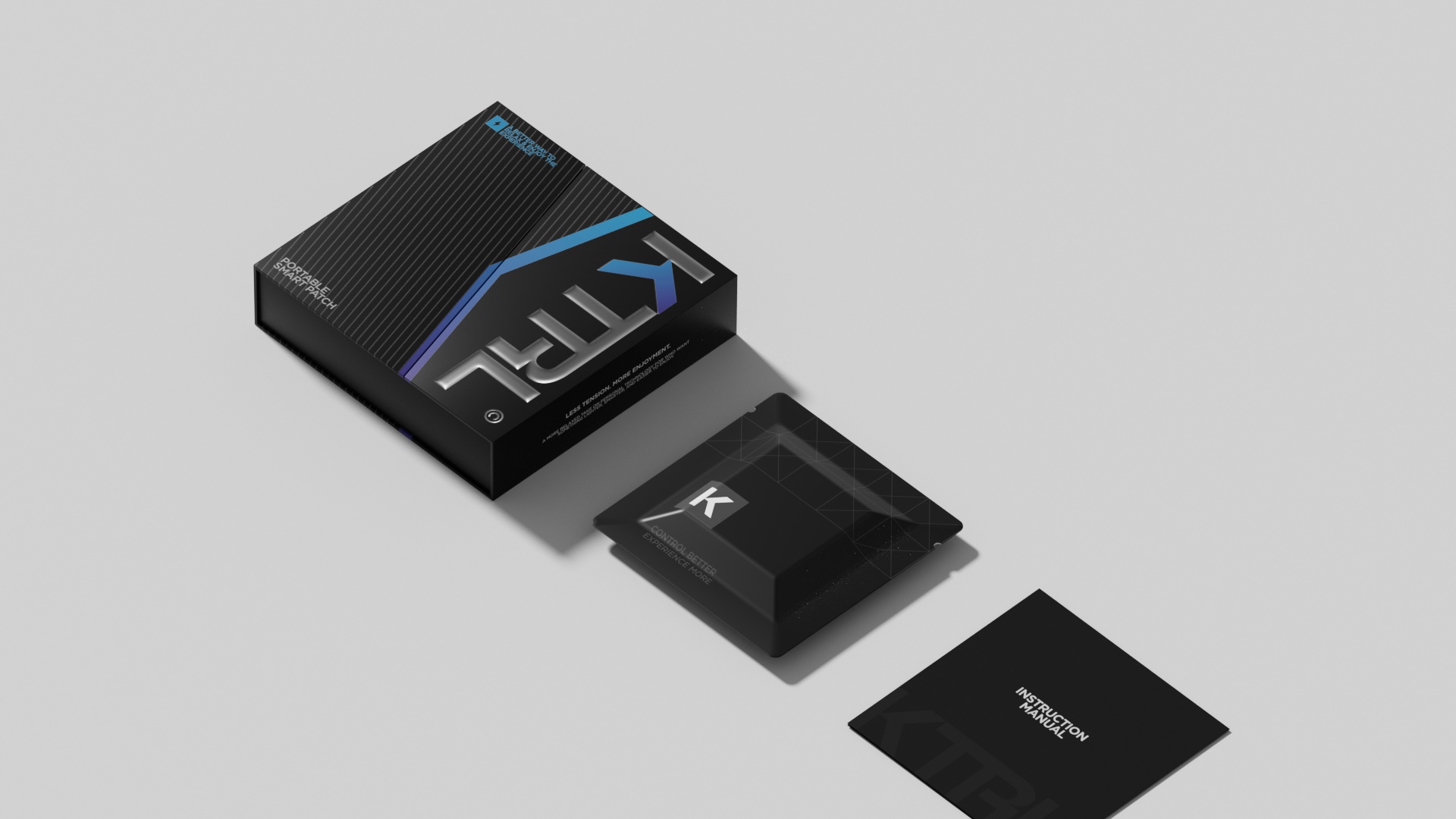
Somewhere in the second month, a pattern emerged. There were always exactly four objects, beyond clothes, that we reached for every single day: a notebook, a small toiletries pouch, a pair of headphones, and the patch. Everything else was optional. The cable bag, packed with chargers for devices we no longer carried. The folder of guidebooks, replaced within a week by maps on a phone. The collapsible umbrella, used twice in twelve weeks. All of it traveled, and almost none of it earned its weight.
Twelve weeks taught us that the difference between an object you brought and an object you actually use is measured in days, not grams.
Carrying less, feeling more
There is a quiet correlation, hard to prove but easy to feel, between the weight of the suitcase and the weight of the day. A heavier bag means more friction at every transition: more time at security, more anxiety on a crowded train, more reluctance to walk the extra mile to the better neighborhood for dinner. A lighter bag means a lighter step, and a lighter step means a wider radius of curiosity.
By the end of the trip, we were walking ten or twelve kilometers a day without thinking about it. The bag was no longer a thing we carried; it was a thing we wore. We arrived at a city in the late afternoon and walked from the station to the hotel rather than taking a cab, because the bag did not protest. Small decisions, but the trip was made of them.
Coming home
Returning to the apartment after twelve weeks, we did something we had never done before: we unpacked, and then we did not put most of it away. The objects we had not touched on the road went into a box in the hallway, and the box stayed there for a month. None of us reached for any of it. At the end of the month, the box went to the donation center, and the apartment, like the suitcase, became eleven kilograms lighter.
This is the gift the road gives you, if you carry it for long enough. The suitcase teaches the apartment. The apartment teaches the life. Carrying less is not, in the end, about luggage. It is about understanding, with the certainty that only repetition can provide, what you actually need in order to feel like yourself in a strange room.
Comentarios (0)
Inicia sesión para comentar.
Aún no hay comentarios.